

Our VR Based Construction Services
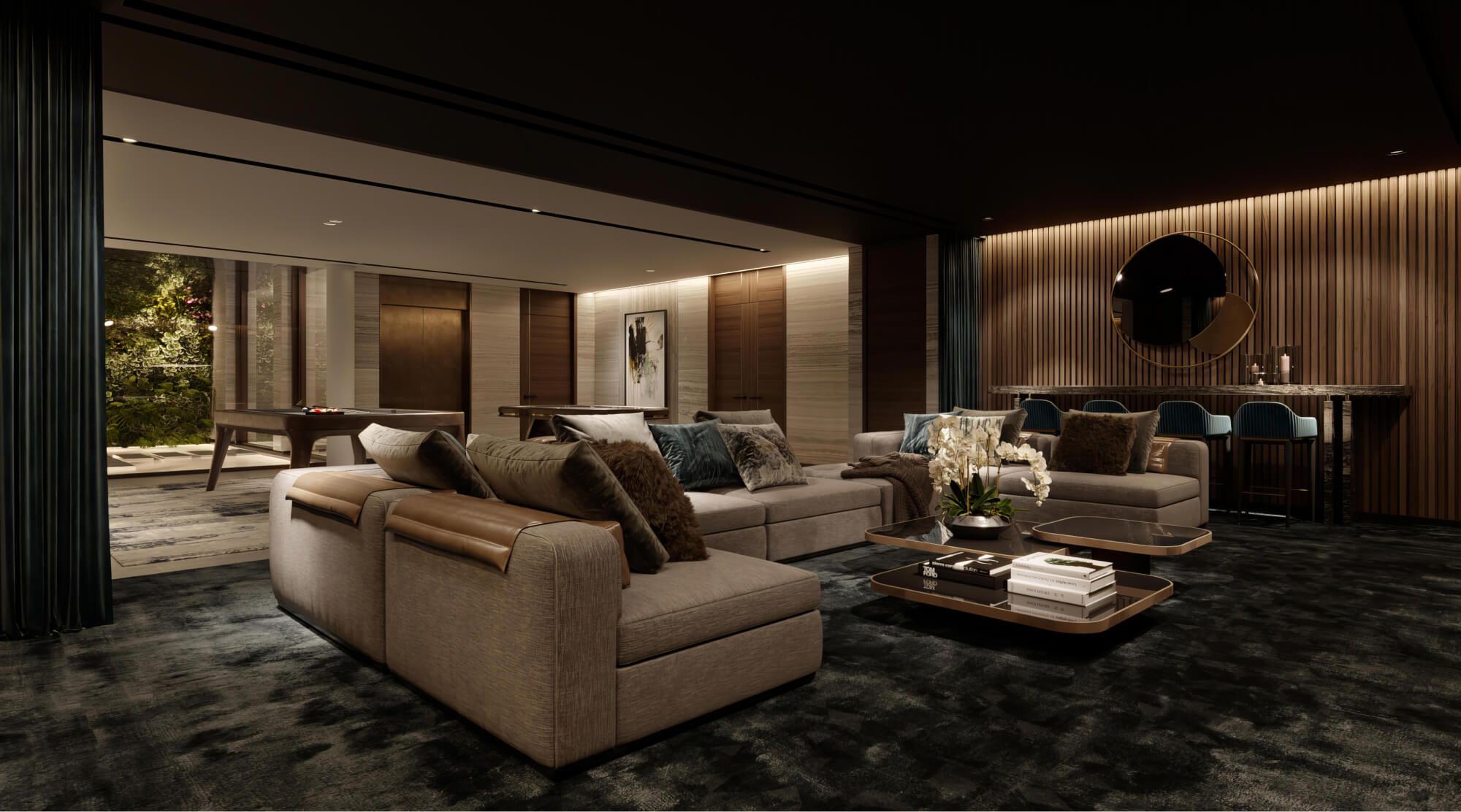
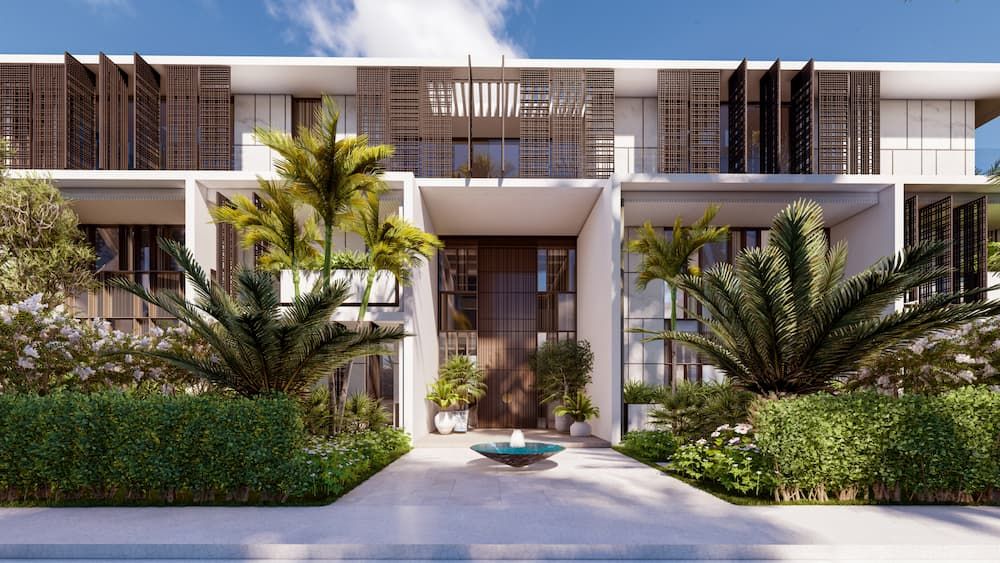
Virtual Reality allows your stakeholders to virtually walk through projects, predict changes, and observe construction sites remotely. This capability is beneficial in managing complex, large-scale developments and ensuring your projects are ready on time and within budget, especially in a region fully characterised by rapid growth and demanding timelines.
Our VR Based Construction Services
Let Stonehaven be your partner in harnessing the power of VR to transform your construction projects in the Middle East, ensuring you achieve early efficiency and innovation. From improved safety simulations to enhanced design reviews, VR is redefining the future of construction in the region across several sectors.
31% Faster
VR technology demonstrably improves real estate sales, with listings featuring virtual tours selling 31% more rapidly than without.
40% Ahead
40% of construction companies that use BIM are also using AR/VR to integrate and enhance these project models to meet technological competence.
45% Fewer Accidents
Companies using VR for safety training have reduced accidents on job sites by up to 45%, improving worker safety and reducing insurance costs.
90% Savings
Economists estimate that VR and AR could reduce construction costs by up to 90%, potentially saving the industry around $15.8 billion annually.
Redefine construction and reduce errors with VR-enhanced project planning.
Visualise your projects with confidence during every phase.
Frequently Asked Questions
What is virtual reality in construction?
Virtual Reality (VR) in construction creates interactive, 3D environments, allowing users to walk through and interact with digital models before construction begins. Stonehaven uses VR to provide you with real-time project insights, reducing risks and enhancing design visualisation.
How is virtual reality used in construction?
VR improves communication and collaboration by allowing project teams to experience designs more immersively. It’s used in safety training, simulating hazardous scenarios, and enhancing design reviews with real-time feedback. Stonehaven integrates VR for project coordination and risk management.
What are the benefits of VR in construction?
VR speeds up decision-making, helping clients and teams assess designs, layouts, and site progress in real time. It reduces delays, minimises errors, and improves stakeholder alignment. Stonehaven applies VR solutions to enhance your project’s efficiency, visual clarity, and construction accuracy.
How is VR used in engineering?
Engineers use VR to step inside their designs, examining scale, materials, and functionality in a true-to-life virtual space. Instead of turning CAD models, they can walk around and test structural elements. Stonehaven helps engineers adopt VR for better spatial awareness and design precision.
What is the role of virtual reality in green building design?
VR allows researchers and designers to analyse sustainability metrics in real time, comparing energy efficiency, materials, and environmental impact at each design stage. Stonehaven uses VR to refine eco-friendly construction strategies, for better building performance.
What is the role of VR in architecture?
VR provides clients and stakeholders with immersive design experiences, making it easier to understand layouts, materials, and spatial relationships. It enables early feedback and informed decision-making. Stonehaven integrates VR to help architects enhance presentations and reduce costly design changes.
How to create a VR walkthrough?
Creating a VR walkthrough involves defining objectives, gathering 3D models, selecting a VR platform, building the environment, adding interactivity, testing for accuracy, and publishing the final experience. Stonehaven develops VR walkthroughs to enhance project presentations and virtual site inspections.
What is the difference between BIM and VR?
BIM creates static 3D models enriched with project data for design, planning, and documentation. VR brings those models to life, allowing users to experience spaces interactively. Stonehaven bridges BIM and VR, enabling data-driven decision-making and immersive project visualisation for you.
Clients
Our customer portfolio includes prestigious brands spanning a wide range of sectors.






















What Our Clients Are Saying


Adel Mardini
Founder & CEO, JETEX


Gozde Morera
Head of Baituti Home


Miguel Casal Ribeiro
Partner, Lissoni & Partners


Diane Thorsen
Design Principal Global Hospitality Lead, GENSLER


Qasim Mansoor
Chief Development Officer, R. Evolution