

Our 3D Printing Construction Services
As a 3D construction printing expert focused on the Middle East, we're developing advanced, locally sourced material formulations engineered to withstand the region's extreme temperatures and ensure long-term structural integrity. Through our support, we can reduce project deadlines and increased costs, particularly in a region marked by ambitious infrastructure goals.
Our 3D Printing Construction Services
We provide climate-resilient material formulations, expert regulatory guidance, and comprehensive training programs to ensure your projects are delivered efficiently and sustainably. From developing specialised concrete mixes to navigating complex building codes, we offer faster builds, reduced waste, and enhanced design freedom.
25% New Buildings
The UAE aims to have 25% of all new buildings constructed using 3D printing technology by 2030, marking a bold step in construction.
30% Less Wastage
Additive manufacturing allows for 30% reduced material waste and the entire construction process can be completed in days instead of months.
24hr Element Builds
Pure printing time of structural elements can be covered in under 12-24hrs shortening the overall construction timeline.
23% Cost Reduction
The overall direct construction costs for a typical residential building could be reduced by an average of 23% when 3d printing.
Reduce material wastage and impact while achieving architectural excellence
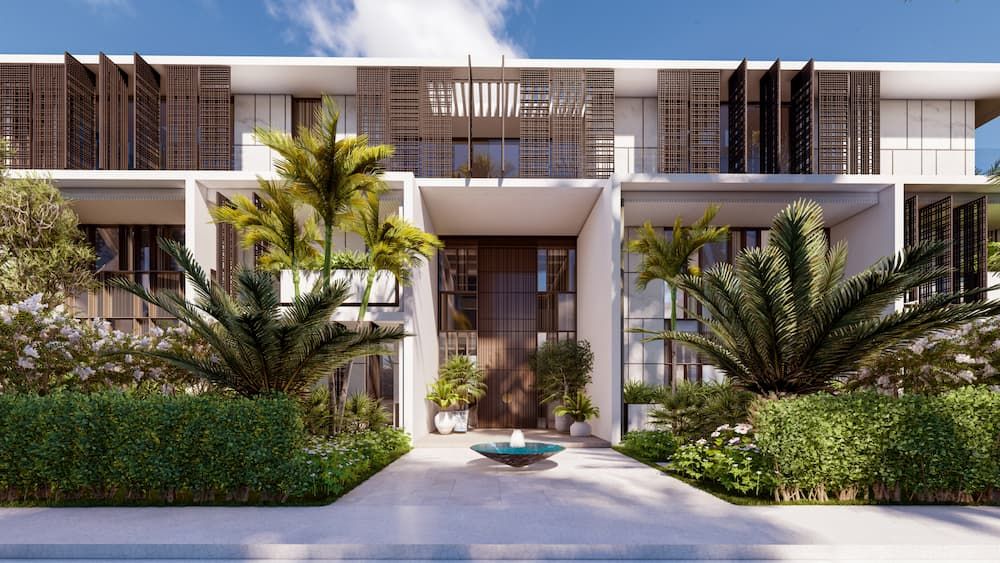
Experience 3d printed villas and buildings with faster completion times
Frequently Asked Questions
What is 3D printing in construction?
3D printing in construction uses specialised printers to layer materials like concrete, recycled plastics, or mortar to build structures. It enables faster construction, reduced costs, and complex designs. Stonehaven explores 3D printing solutions to enhance project efficiency, sustainability, and material innovation.
What are the benefits of 3D printing in construction?
3D printing accelerates construction, cuts costs, and enables custom designs. It reduces waste and improves sustainability by optimising material use. With automation, it minimises manual labour needs, making projects faster, safer, and more cost-effective. Stonehaven integrates 3D printing insights to enhance construction efficiency.
What are the applications of 3D printing in construction?
3D printing is used to construct entire buildings, fabricate walls, staircases, and bridges, and create custom architectural models. It also produces prefabricated components like foundations and façade elements. Stonehaven evaluates 3D printing applications to improve construction flexibility and project delivery.
What is the process of 3D printing a building?
A 3D printer follows a CAD model, layering construction materials to form walls, floors, and structural components. The process is faster, cost-efficient, and reduces material waste compared to traditional methods. Stonehaven explores 3D printing to enhance construction speed, quality, and sustainability.
What materials are used in 3D printing buildings?
Common materials include concrete, mortar, and recycled plastics, but alternative options like clay, mud, and bio-based materials are emerging. These materials enhance durability, reduce environmental impact, and support sustainable construction. Stonehaven tracks material innovations for eco-friendly 3D-printed structures.
What are the biggest barriers to 3D-printed homes and villas?
Challenges include high initial equipment costs, regulatory hurdles, and material limitations. Many building codes don’t yet accommodate 3D-printed structures, leading to approval delays and added costs. Stonehaven assesses these challenges to help you navigate industry regulations and adoption barriers.
Is it cheaper to 3D print a house?
3D-printed homes can cost up to 45% less than traditional builds by reducing labour, material waste, and construction time. Savings depend on project scale, materials, and automation levels. Stonehaven explores cost-effective 3D printing methods to drive efficiency in modern construction.
How much does 3D printing a building cost?
A basic 3D-printed home can cost between AED 36,700 and AED 128,400, while a fully finished 3D-printed house ranges from AED 550,500 to AED 1,835,000+. Costs tend to vary based on materials, technology, and labour integration. Stonehaven evaluates 3D printing feasibility to optimise cost and efficiency in construction.
Clients
Our customer portfolio includes prestigious brands spanning a wide range of sectors.






















What Our Clients Are Saying

Adel Mardini
Founder & CEO, JETEX


Gozde Morera
Head of Baituti Home


Miguel Casal Ribeiro
Partner, Lissoni & Partners


Diane Thorsen
Design Principal Global Hospitality Lead, GENSLER


Qasim Mansoor
Chief Development Officer, R. Evolution